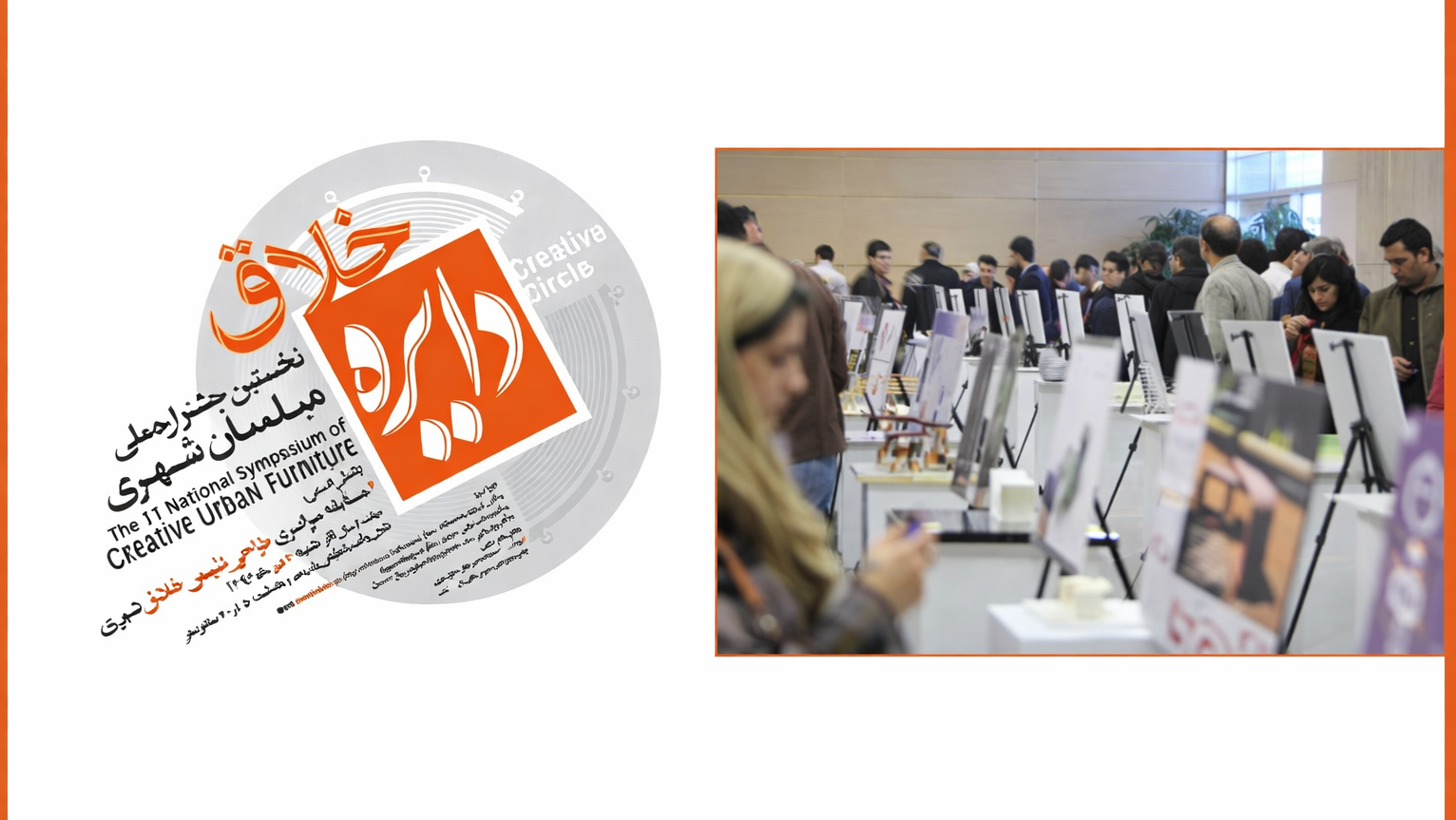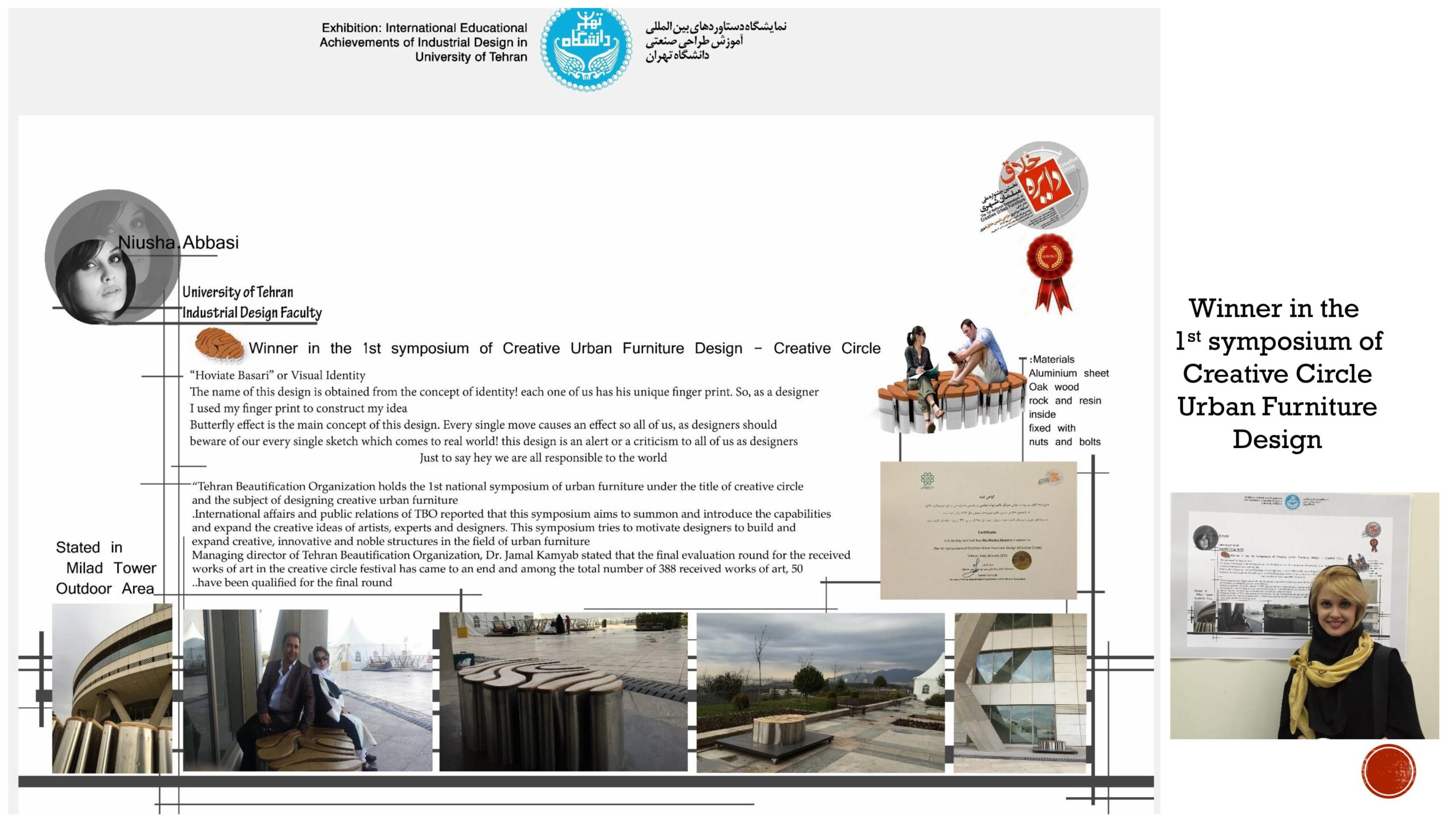
Hoviyat-e Basari (“Visual Identity”) was developed for Creative Circle (Dayereh-ye Khallagh), an annual national design initiative organized by the Tehran Beautification Organization and dedicated to urban furniture and public space.
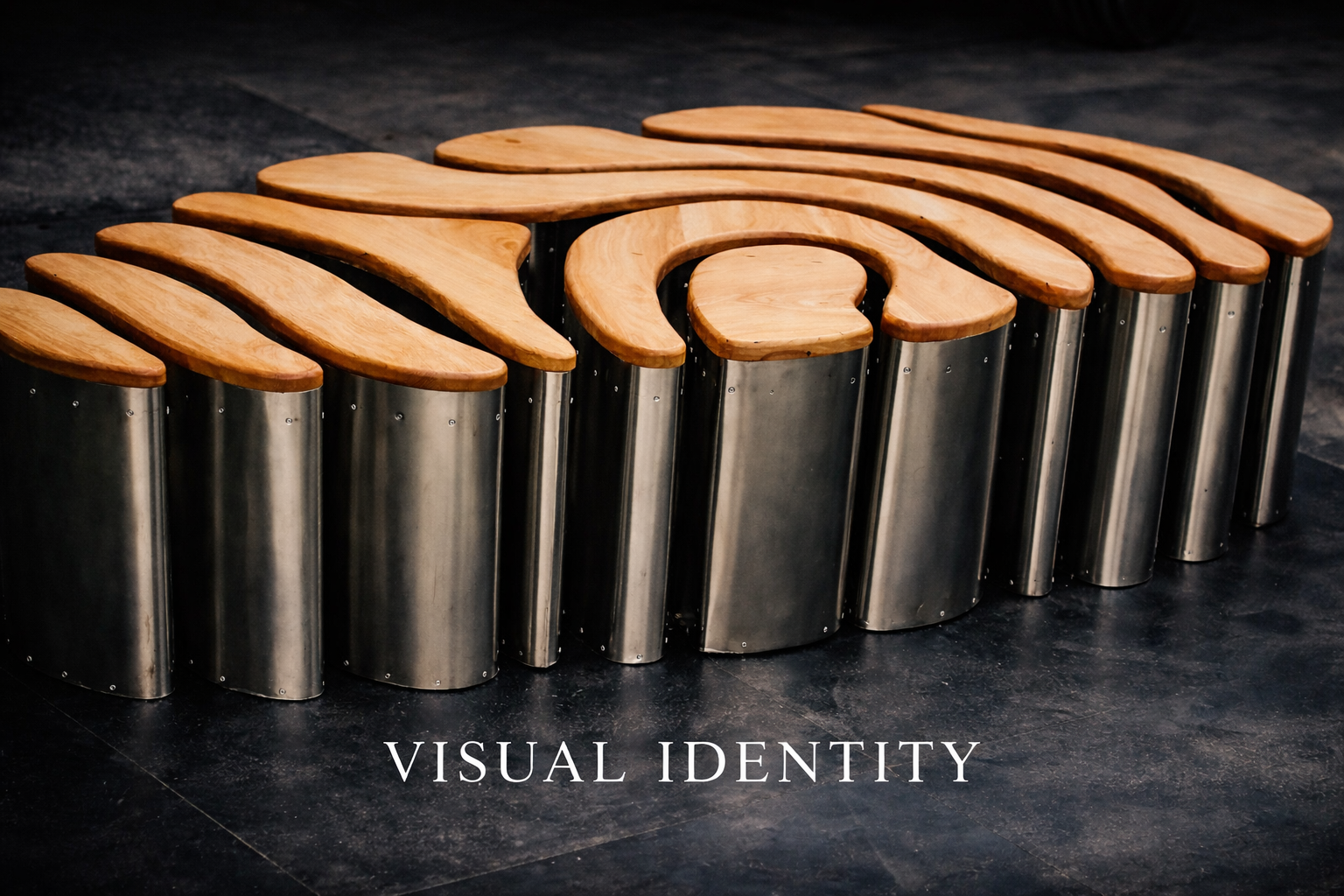
The project took the form of a public bench whose structure was derived directly from the lines of my own fingerprint.
Biometric data was translated into physical form, transforming an invisible personal marker into a permanent presence in the city. The work explored the idea that every individual leaves a trace on the environments they shape — and that for designers, this trace carries particular responsibility. Rather than treating identity as branding, the project framed it as authorship embedded in public space, made visible through form, material, and use.
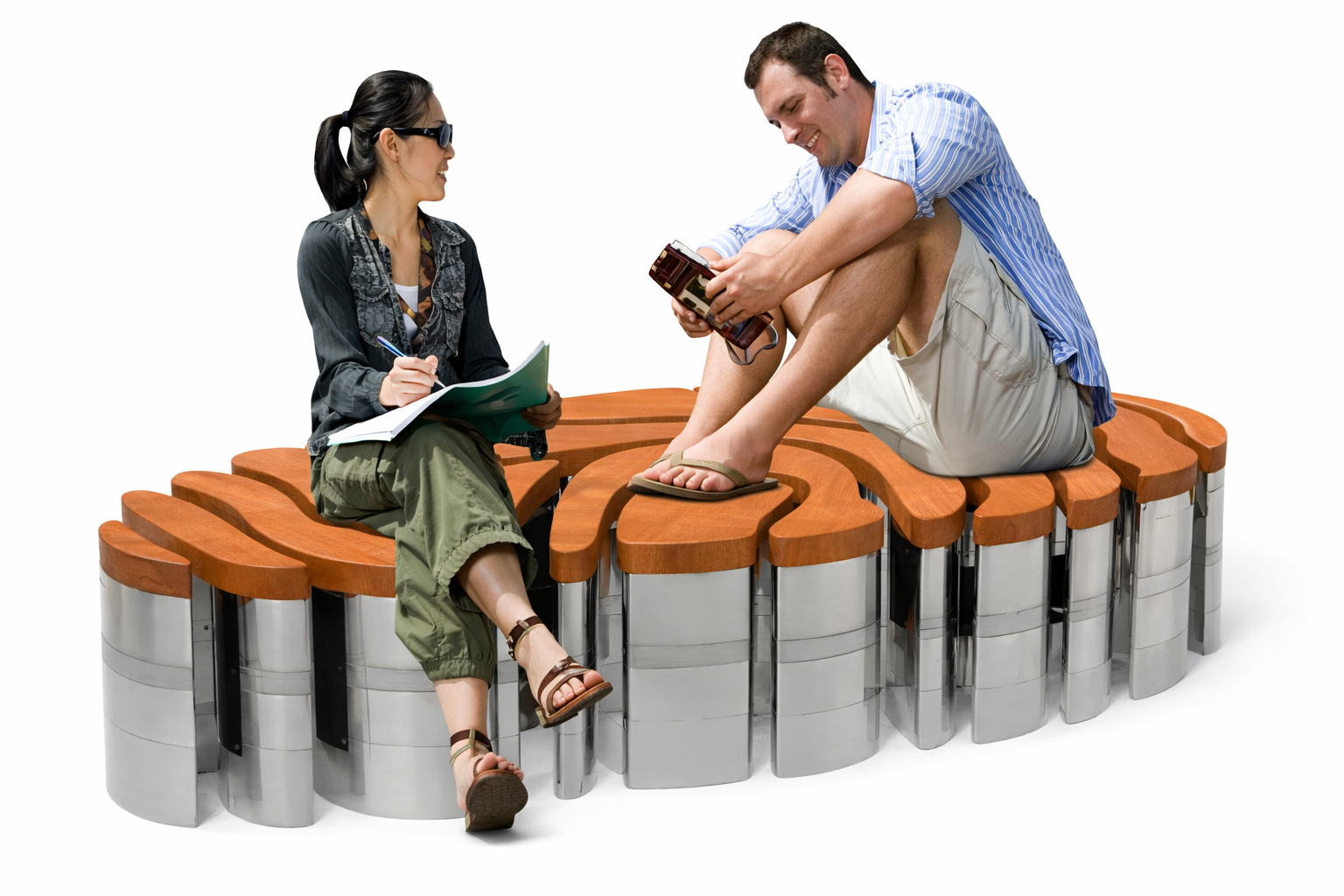
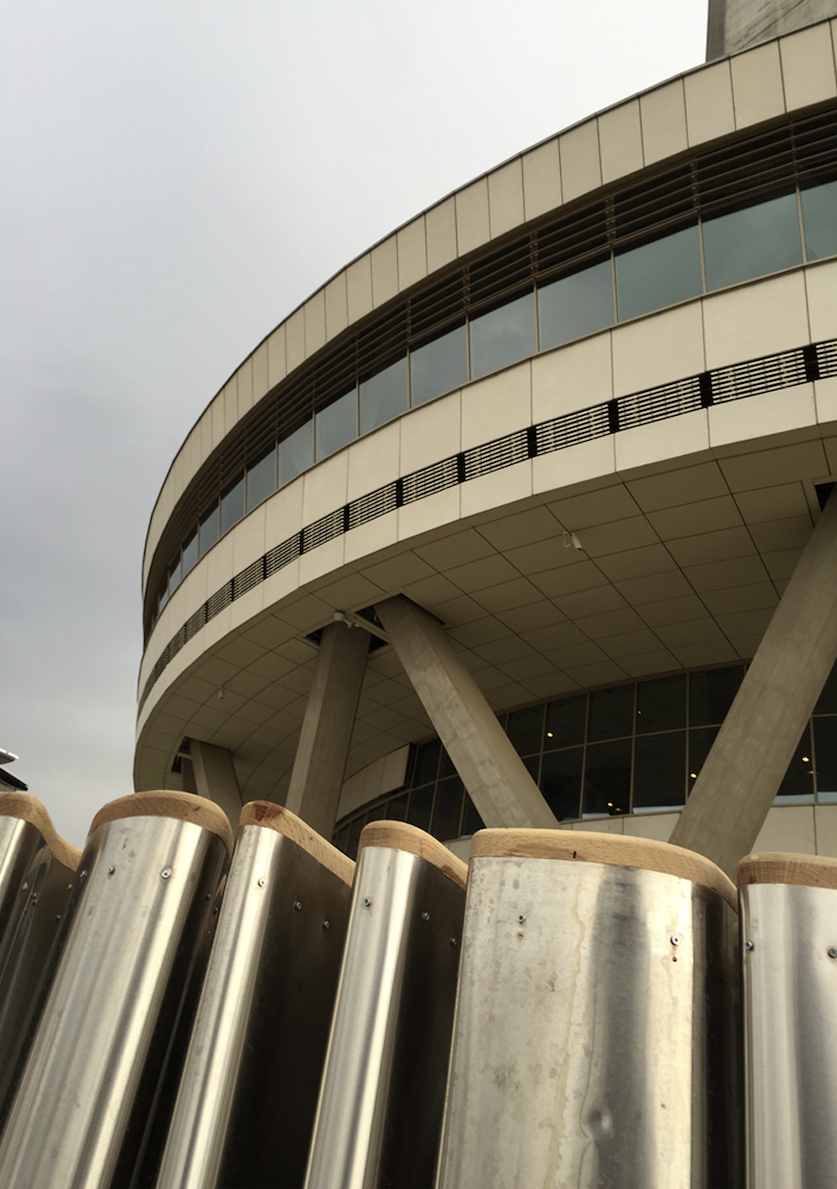
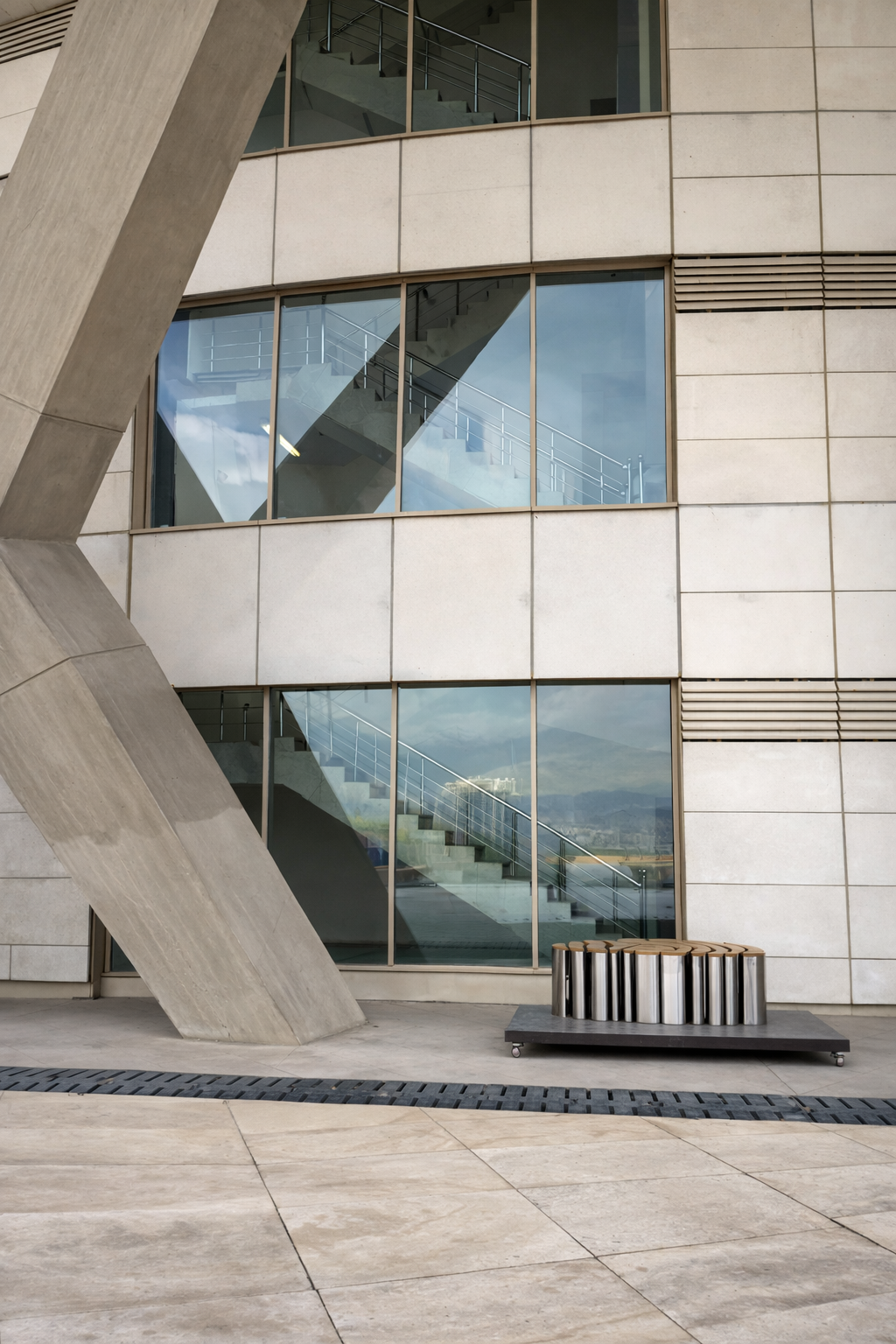
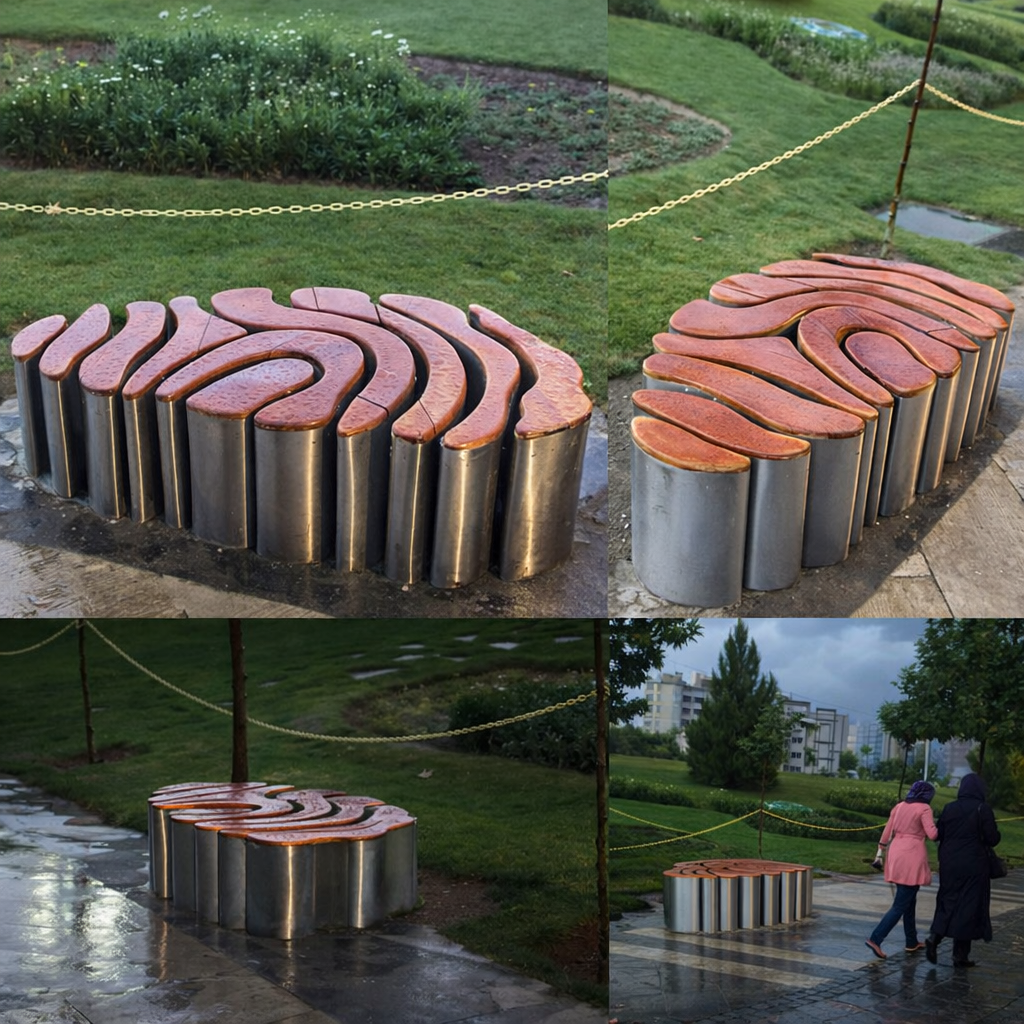
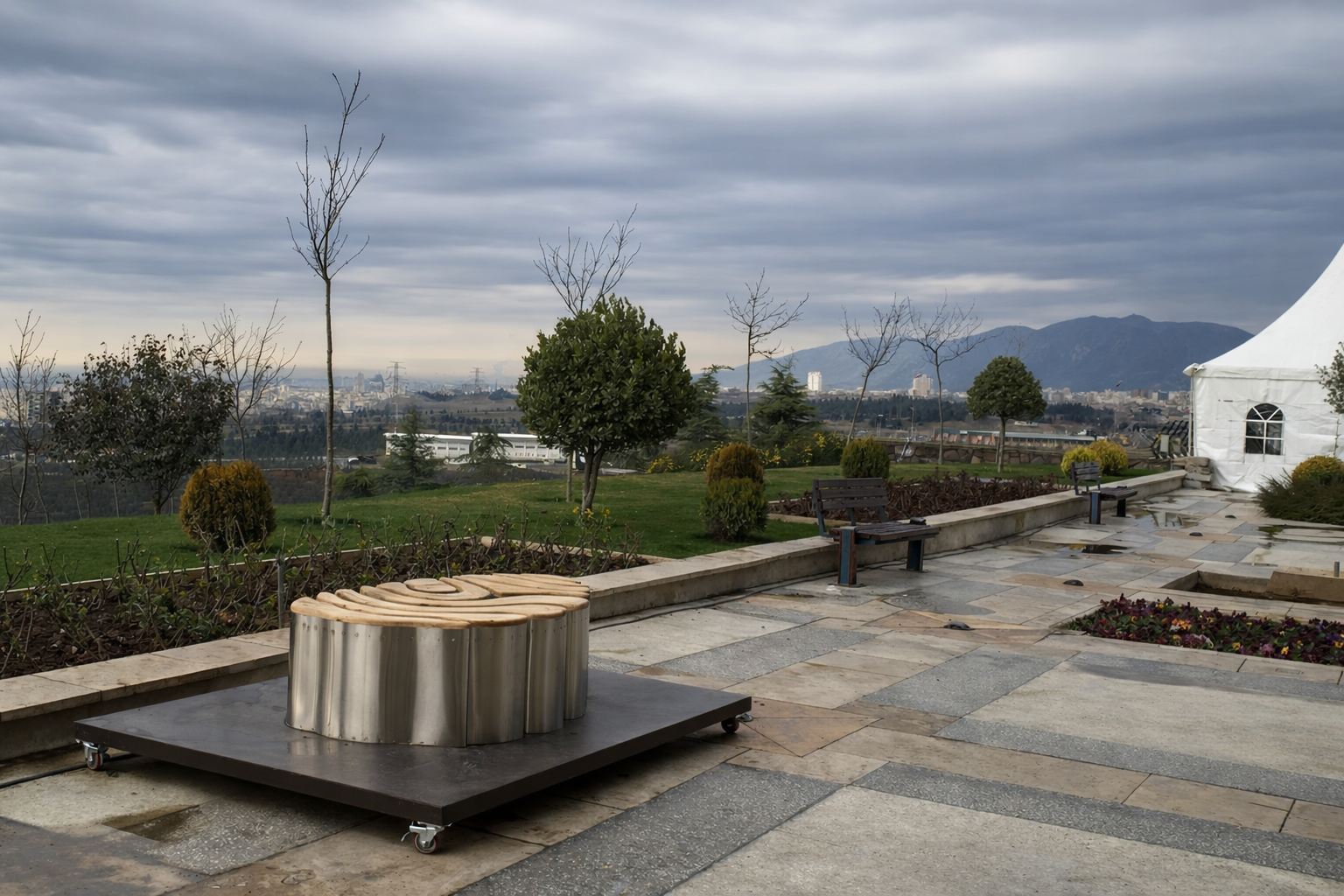
Installed at the iconic Milad Tower and Abo-Atash Garden in Tehran the bench remains in place for as long as its materials allow. It is not everlasting; like its designer, it has a finite life. The use of mixed wood and metal reflects the tension between natural presence and contemporary construction, positioning the work between permanence and change.
In this way, Hoviyat-e Basari situates design as a lasting imprint — not decorative, but consequential. At its core, the project reflects the ethical responsibility of being an artist, a designer, and a human being, and the impact one leaves on their surroundings.